
Faith and churchgoing are not the same thing, of course, but as Holy Week approaches (and the opportunities for church going abruptly multiply), it’s probably worth reminding ourselves of this.
There is a kind of “opt in” structure to so much of our observance, which people can be inclined to bemoan, but which is far from being a “modern” problem if you look into it. Even the earliest believers had to do a whole lot of juggling to get to services.
There’s less of an “opt in” for what the observances are trying to affirm—the power of God to bring forth new life, even in the face of death; the experience of Jesus as more than just an inspirational guide, but as an active presence in the world and in our lives; the promise that human brokenness is not the bottom line of human destiny.
Pondering where we find ourselves on any of that, and on any occasion when the church gathers, is a lot of what we’re doing there. The quiet reflection before we say the Prayer of Confession? That’s probably the most obvious moment when we open the box for ourselves, although really any hymn, joy or concern, sermonic tidbit, or silent shift in the sunlight coming through the stained glass may find a way to get us in touch with our deepest questions and most heartfelt longing.
Those are the internal places where we most hope to feel God’s presence.
This is why I’ve come to love Maundy Thursday and Good Friday, two services that would have been deemed “extra” (and not really “our way”) in the Congregational church of my childhood.
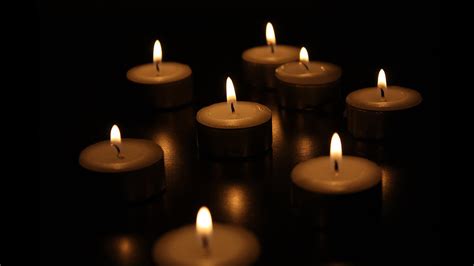
They tell parts of Jesus’ story that hit hard, and draw on darkness as an element of the worship service itself, which is a rare move for us. Since the very beginning, our sanctuaries have been built for sunlight, boldly proclaiming that this is who God is—the light of the world, the one whose “life was the light of men.”
Easter Sunday is surely when we say it most joyously.
But the purposeful darkness that proceeds it on Thursday and Friday also has its place in our sanctuaries and in our lives, because “where we are” on Easter’s joyful proclamation of our faith’s most central promises needs time to discern.
We need to remember that the God who is light is, nevertheless, the God who also knows the darkness, whether we mean the darkness of the world, in general, or whatever forms of darkness we may identify in ourselves.
Maundy Thursday and Good Friday offer us the chance to open the box, with all its questions and longing, and to lift all that into the Easter light.
These services aren’t just boxes to check in a career of dutiful church-going. They are places for Jesus to find us and lead us from the empty tomb.
Hope to see you there.
See you in church
 Faith Meets Week